The first half of 2026 is proving to be a watershed moment for the tech industry. As decentralized AI gains traction among privacy enthusiasts, the industry titans—Apple and OpenAI—are making aggressive moves to solidify their dominance.
Today, two major stories are redefining how we will interact with artificial intelligence for the rest of the decade.
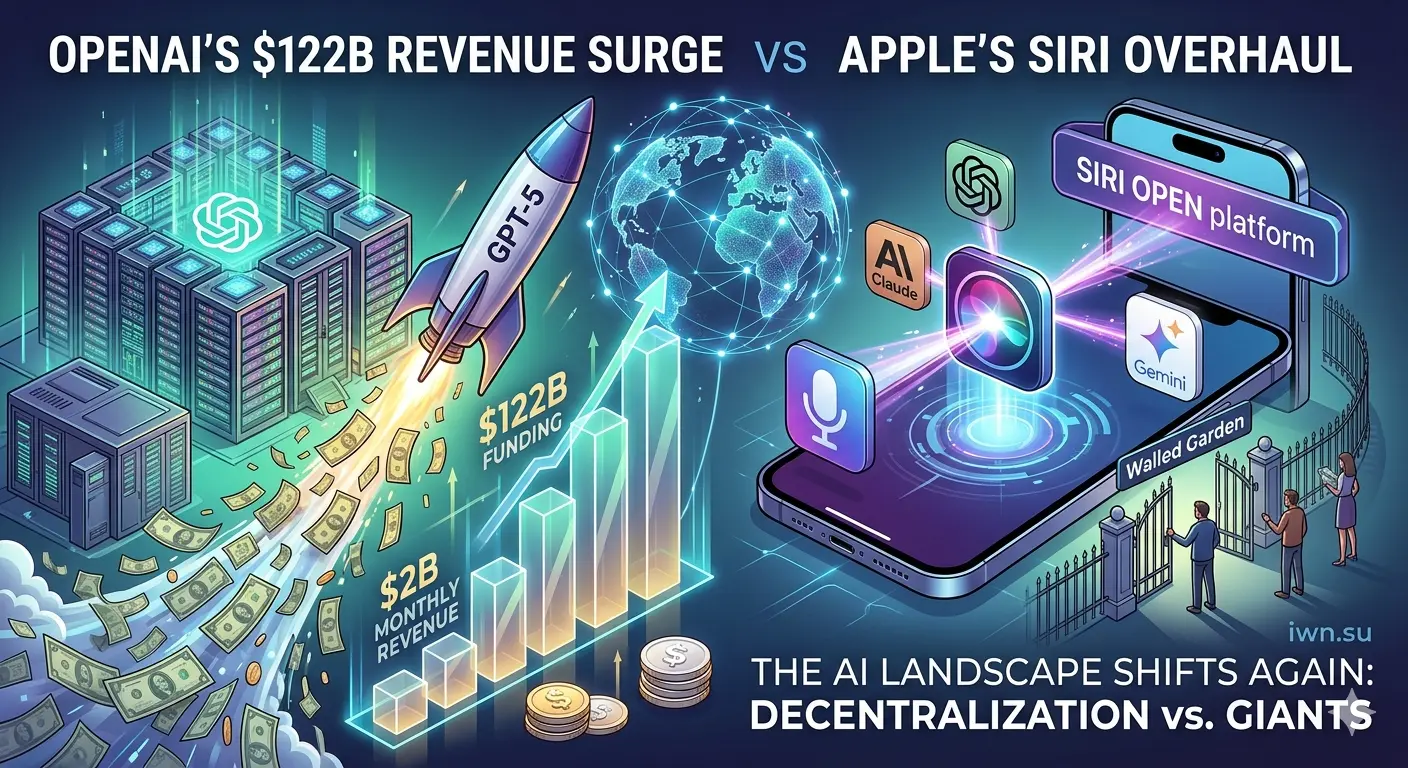
1. OpenAI Hits $2B Monthly Revenue and Eyes 1B Users
According to the latest official update from OpenAI, the company has raised a staggering $122 billion in its latest funding round. This capital injection is aimed at building the next generation of AI infrastructure.
Key Takeaways:
- Revenue Explosion: OpenAI is now generating $2 billion in revenue per month, growing faster than Alphabet or Meta did during their peak eras.
- The “Superapp” Vision: The company is shifting focus from individual models to a Unified AI Superapp, where the limiting factor is no longer intelligence, but usability.
- Mainstream Integration: With search usage tripling over the last year, OpenAI is successfully challenging traditional search engines.
2. Apple’s “Open Siri”: A New Era for iPhone
In a move that many analysts call “un-Apple-like,” the tech giant is reportedly preparing to open Siri to external AI assistants. As part of the upcoming iOS 27 update, users may soon be able to choose between Siri’s native intelligence, Claude, or Gemini as their primary system assistant.
As noted by Stratechery’s Ben Thompson, this marks Apple’s 50th year by embracing a “platform-first” approach rather than a “walled garden.”
Why this matters:
- It signals that no single AI can do everything. Apple is betting on being the aggregator of AI services.
- It provides a massive distribution channel for smaller AI labs who can now integrate directly into the iPhone’s core OS.
3. The Hardware Bottleneck: Google’s TurboQuant Breakthrough
While software moves fast, hardware often struggles to keep up. Google’s research team recently unveiled TurboQuant, a memory compression algorithm that allows massive models to run on significantly less VRAM.
This breakthrough, discussed during ICLR 2026, could be the key to bringing GPT-5 level intelligence to smartphones without needing a constant cloud connection.
Verdict: The Convergence of Cloud and Local
We are witnessing a double-edged evolution. On one side, companies like OpenAI are becoming “AI utilities” similar to electricity providers. On the other, breakthroughs like TurboQuant and Apple’s OS openness are making AI more personal and accessible.
Follow IWN.SU for daily updates on the AI revolution. Whether it’s the latest Silicon Valley funding or a new local LLM, we bring the world of tech to your screen.
"Questi calendari potrebbero interessarvi:
- EU Mandates "AI Passports" and Restricts Chip…

- Saturn–Neptune Conjunction 2026: Detailed Horoscope…

- Anthropic Unveils ‘Project Glasswing’: Claude Mythos…
- Claude Mythos Released: Anthropic’s 10-Trillion…

- Beyond GPUs: NVIDIA’s "Rubin" Architecture and the…
- The Death of the Desktop: How "Action-OS" is…

- Taurus Horoscope 2026 — A Year of Steady Growth,…

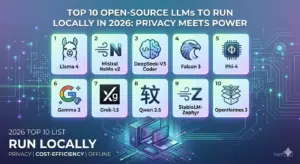
- Top 10 Open-Source LLMs to Run Locally in 2026:…
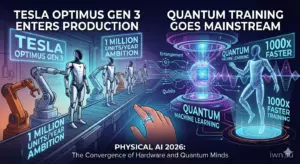
- Physical AI 2026: Tesla Optimus Gen 3 Enters…
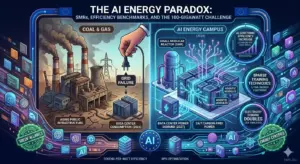
- The Energy Paradox: Can AI Scale Without Melting the Grid?
- Aries Horoscope for 2026

- AI Cinema & Gaming 2026: From Static Worlds to…