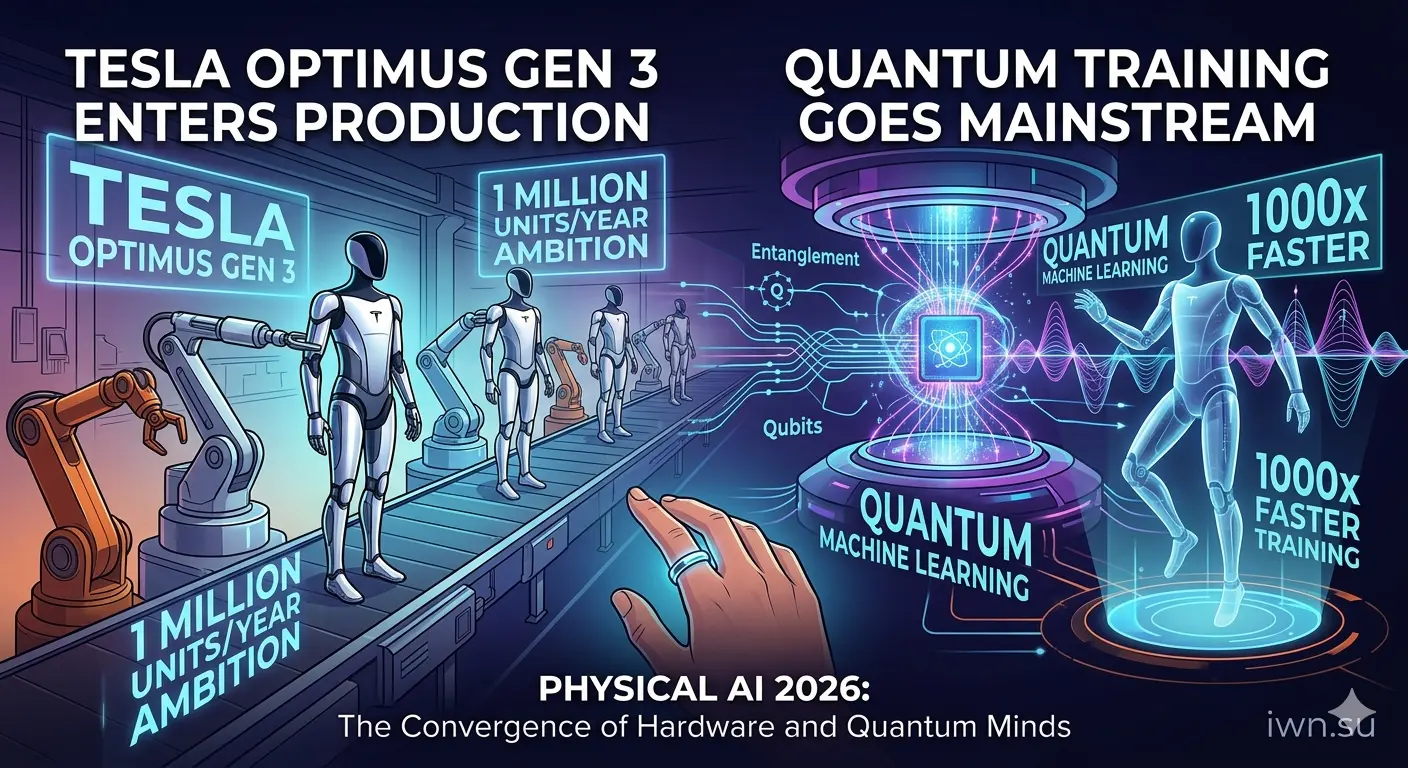
The digital brain has found its body. Today, April 10, 2026, marks a decisive turning point in the robotics industry. While Anthropic’s Claude Mythos (read our analysis here) dominates the software headlines, Elon Musk has officially confirmed that the Tesla Optimus Gen 3 has entered its low-volume production phase at the Fremont factory.
1. Tesla Optimus Gen 3: The “1 Million Units” Ambition
The third generation of Tesla’s humanoid robot is no longer a prototype. It is a strategic focus as important to the company as electric vehicles.
Technical Leap:
- Tactile Sensitivity: Optimus Gen 3 features over 22 degrees of freedom in the hands alone, allowing it to handle delicate tasks like sorting fasteners or assembling electronic components with human-level dexterity.
- On-board FSD Brain: The robot runs on a localized version of Tesla’s Full Self-Driving (FSD) stack, adapted for bipedal movement.
- The “Rubin” Factor: Rumors suggest the next iteration will utilize NVIDIA’s Rubin architecture for real-time path planning in complex industrial environments.
According to reports from the Fremont production line, Tesla aims for a production rate of 1 million units per year by late 2027.
2. Quantum Robotics: Training 1000x Faster
The biggest bottleneck in robotics has always been “simulation-to-reality” (Sim2Real) transfer. Training a robot to walk takes months of classical GPU compute. However, a breakthrough announced this week shows that Quantum Machine Learning (QML) is slashing that time.
- The 1000x Boost: Using new quantum sensors and optimization algorithms, researchers have successfully trained complex robotic movements in hours instead of months.
- Real-time Path Planning: Quantum annealing is now being used to solve NP-hard routing problems for fleets of over 500 warehouse robots simultaneously.
3. The Energy Crisis: Why Efficiency is the New “IQ”
As AI consumes over 10% of U.S. electricity, a new breakthrough from Tufts University has unveiled a logic-driven AI approach that could slash energy use by 100x. This is critical for robots like Optimus, allowing them to operate for 24 hours on a single charge instead of just 4.
Verdict: The Era of “Invisible” AI
In 2026, AI is moving out of the browser and into the physical world. Whether it’s a local LLM on your laptop or a Tesla Optimus on a factory floor, the trend is clear: Autonomy, Efficiency, and Physical Presence.
Join the conversation on IWN.SU. Are we ready for 1 million humanoid robots among us? Let us know in the comments below!
"Questi calendari potrebbero interessarvi:
- Anthropic Unveils ‘Project Glasswing’: Claude Mythos…
- Claude Mythos Released: Anthropic’s 10-Trillion…
- The Death of the Desktop: How "Action-OS" is…

- EU Mandates "AI Passports" and Restricts Chip…

- The Synthetic Renaissance: Agentic AI Compresses…
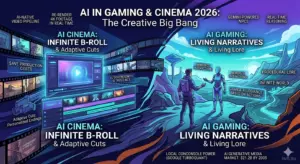
- AI Cinema & Gaming 2026: From Static Worlds to…
- Beyond Copilots: How Autonomous AI Agents are…

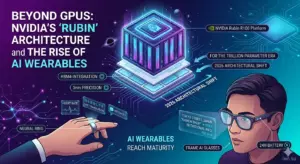
- Beyond GPUs: NVIDIA’s "Rubin" Architecture and the…
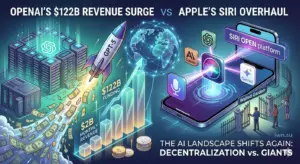
- OpenAI’s $122B Surge and Apple’s Siri Overhaul: The…
- 7 Gentle ADHD Reminders for Study & Work (Free Image…

- Happy Birthday April

- Taurus Horoscope 2026 — A Year of Steady Growth,…
