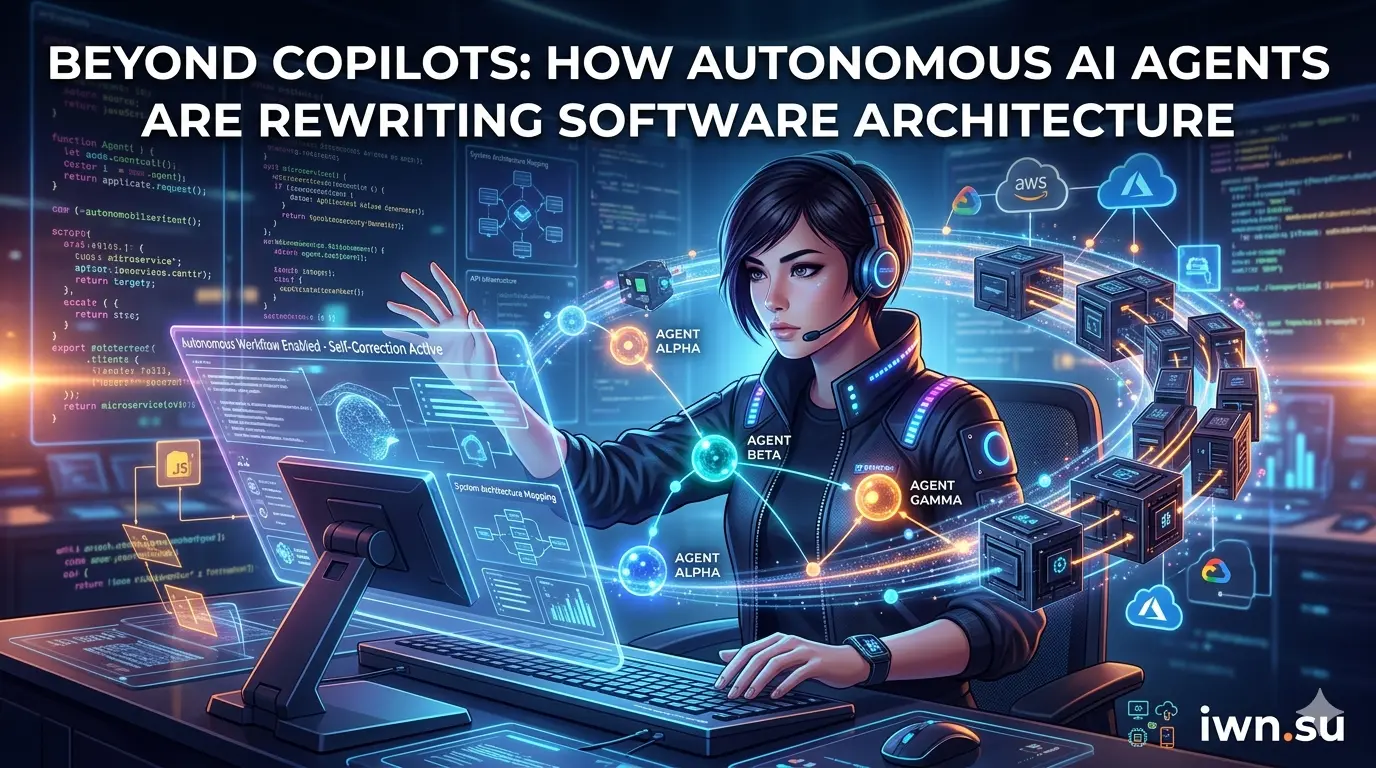
For the past few years, artificial intelligence in software development was primarily treated as an advanced autocomplete tool. Developers grew accustomed to inline code suggestions, automated documentation generation, and conversational chat assistants embedded in their IDEs. However, the industry is currently undergoing a massive structural shift: we are moving past passive “Copilots” and entering the era of Autonomous AI Agents.
Unlike traditional AI assistants that require step-by-step prompting, autonomous agents are capable of executing complex, multi-layered workflows independently. They can break down a high-level goal, write the code, spin up testing environments, debug runtime errors, and deploy the fix—all without human intervention. This evolution is fundamentally changing how modern software is architected and maintained.
The Shift from Assistance to Autonomy
Traditional AI tools operate on a simple reactive loop: the human provides a prompt, and the AI generates a response. Autonomous agents, however, leverage a continuous loop of goal initialization, task planning, execution, and self-reflection. When integrated into software engineering pipelines, they introduce several game-changing capabilities:
- Self-Healing Codebases: Production monitoring tools integrated with AI agents can automatically detect a bug or performance bottleneck, isolate the faulty module, write a regression test, patch the code, and push a micro-update in minutes.
- Automated Legacy Migration: Upgrading monolithic codebases to modern frameworks used to require months of manual refactoring. Autonomous agents can systematically analyze whole code repositories, map dependencies, and translate legacy code into optimized, modern microservices overnight.
- Dynamic API Integration: Instead of developers manually reading documentation and writing integration layers for third-party services, autonomous agents can dynamically explore, test, and integrate external APIs on the fly based on conversational requirements.
Architecting for an Agent-First World
As autonomous agents take over repetitive coding tasks, the role of human software engineers is shifting toward high-level system architecture and security governance. Building systems that can be safely navigated by AI agents requires a new set of design principles:
1. Semantic API Design
APIs are no longer just for human consumption or rigid system-to-system communication. Modern endpoints must be designed with rich semantic metadata and comprehensive, machine-readable schemas (such as advanced OpenAPI specs) so that AI agents can correctly infer capabilities, inputs, and constraints without human guesswork.
2. Isolated Sandboxing and Guardrails
Giving autonomous agents the power to modify and deploy code comes with obvious security risks. Software architecture must implement strict containerized sandboxes where agents can write and test code safely. Robust automated CI/CD guardrails are essential to intercept any changes that violate security, performance, or compliance policies before they reach production.
3. Event-Driven Observability
To let an agent self-reflect and correct its own mistakes, it needs deep visibility into the system. High-fidelity logging, event-driven tracing, and real-time observability metrics are no longer just troubleshooting tools for devops teams—they are the vital sensory inputs that AI agents use to evaluate the success of their deployments.
What Lies Ahead
The transition to agent-first software development doesn’t mean human engineers are becoming obsolete; rather, it elevates their role. Developers are transitioning into orchestrators, defining the strategic goals, security parameters, and architectural boundaries within which autonomous systems operate. By offloading implementation details to autonomous agents, engineering teams can scale their output and innovate at a pace that was previously unimaginable.
"Questi calendari potrebbero interessarvi:
- Claude Mythos Released: Anthropic’s 10-Trillion…
- The Death of the Desktop: How "Action-OS" is…

- The Synthetic Renaissance: Agentic AI Compresses…
- OpenAI’s $122B Surge and Apple’s Siri Overhaul: The…
- The Energy Paradox: Can AI Scale Without Melting the Grid?
- Anthropic Unveils ‘Project Glasswing’: Claude Mythos…
- AI Cinema & Gaming 2026: From Static Worlds to…
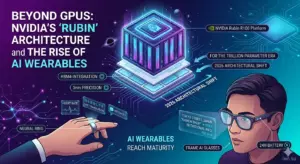
- Beyond GPUs: NVIDIA’s "Rubin" Architecture and the…
- Saturn–Neptune Conjunction 2026: Detailed Horoscope…

- EU Mandates "AI Passports" and Restricts Chip…

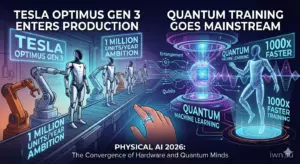
- Physical AI 2026: Tesla Optimus Gen 3 Enters…
- Top 10 Open-Source LLMs to Run Locally in 2026:…